Во имя Отца и Сына и Св. Духа.
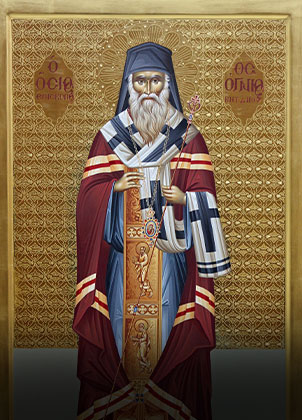
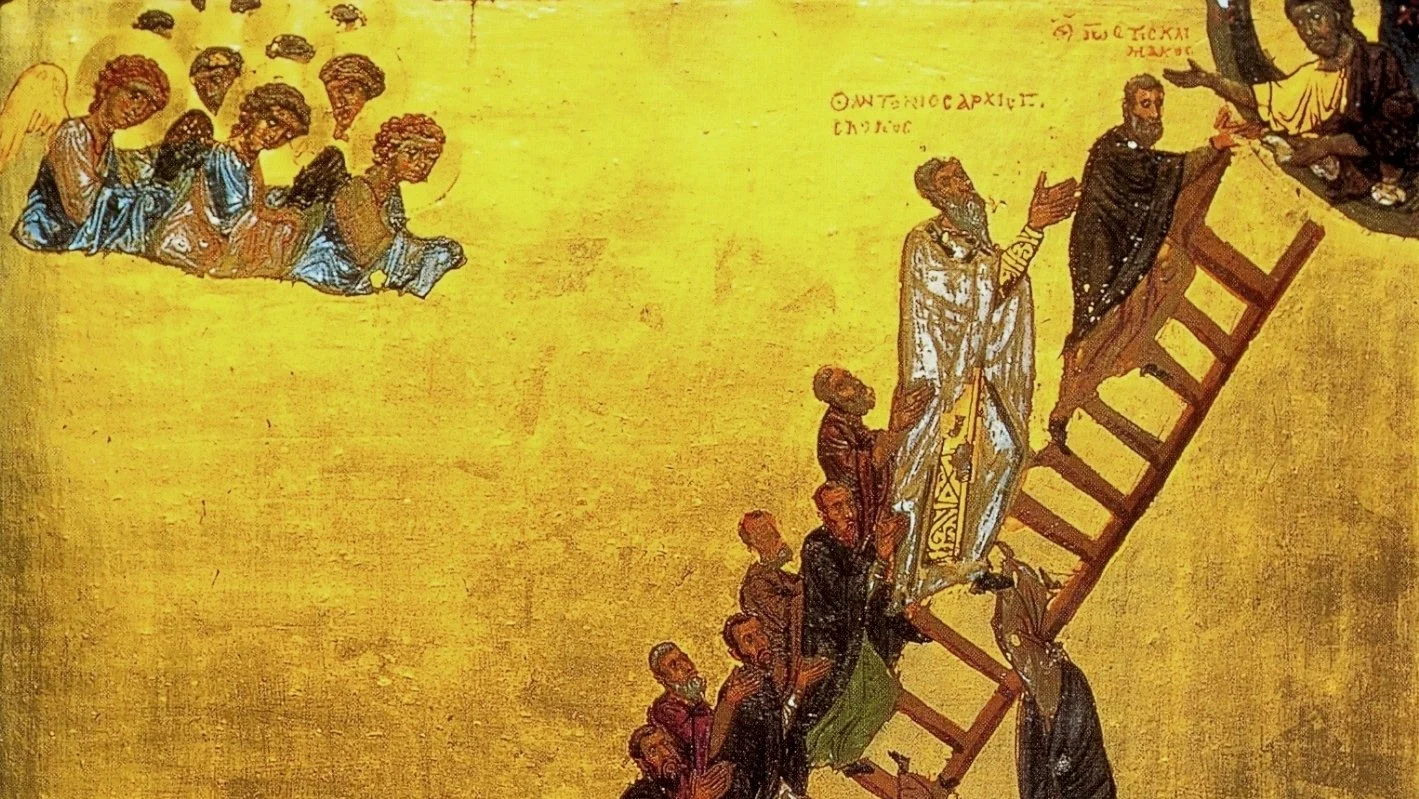
Св. Иоанн, игумен Синайский, живший в 6-м веке, известен как автор книги «Лествица Божественного восхождения». По этой книге он получил имя Лествичника. Его «Лествица» изображает духовную жизнь как восхождение по лестнице к небу. Лестница имеет 30 ступеней — по числу лет земной жизни Иисуса Христа до Его выхода на проповедь.
Св. Иоанн Лествичник и другие духовные писатели, оставившие наставления о духовной жизни, были монахами, и их произведения, как правило, предназначались для монахов. Однако, не нужно забывать, что Господь Иисус Христос дал Свои заповеди всем. Цель монашеской жизни и вообще христианской духовной жизни одна — следовать евангельскому учению Господа Иисуса Христа, исполнять Его заповеди, насколько это возможно для нас. В миру это также возможно, как мы видим на примере многих святых мужей и жен, живших в миру, но это трудно, потому что обычаи мирской жизни часто противоречат заповедям Евангелия.
Св. Апостол Павел пишет об этом: «Есть разность между замужнею и девицею: незамужняя заботится о Господнем, как угодить Господу, чтобы быть святою и телом и духом; а замужняя заботится о мирском, как угодить мужу» (1 Кор. 7).
Монашество возникло из стремления беспрепятственно следовать учению Христа. Ради этого монахи оставляли мирскую жизнь, отказывались от семьи и собственности.
Бог создал человека по Своему образу и подобию. Образ Божий в душе человека состоит в ее богоподобных свойствах: разуме, свободе и бессмертии. Эти качества всегда остаются в душе. Образ Божий неуничтожим, потому что он заложен в самой природе человека.
Что же касается подобия Божия, то оно дано человеку как возможность — как то, к чему мы должны стремиться. Мы призваны уподобляться Богу через соблюдение Его заповедей. Например, Господь говорит: “Будьте милосердны, как и Отец ваш Небесный милосерд”, “Научитесь от Меня, ибо Я кроток и смирен сердцем”.
Таким образом, восхождение по небесной лестнице — это восхождение к подобию Божию.
Св. Отцы оставили поучения о том, как проходить этот путь, это восхождение. Подобно путешественникам, которые после своего возвращения описывают свой путь, делятся впечатлениями, дают советы и предупреждают об опасностях, встречающихся на пути.
Духовная жизнь состоит в борьбе со страстями и в стяжании противоположных им добродетелей. Св. Отцы объясняют, что страсти произошли от того, что свойства человеческой души получили ложное, противоестественное направление. Почему же это произошло? Потому что человеческое естество расстроено и повреждено грехом в результате грехопадения Адама и Евы.
Например, человеку естественно желать пищи — он испытывает голод и жажду. Но это естественное желание обратилось в страсть чревоугодия и объедения.
Человеку также свойственно стремление к славе, которое должно побуждать его искать «почести вышнего звания Божия во Христе Иисусе» (Филип. 3:14). Однако это стремление извратилось и превратилось в страсть тщеславия перед людьми.
Для человека естественно стремиться к наслаждению, к блаженству. Так человек создан, чтобы он стремился к источнику своего блаженства — Богу и Создателю. Но после грехопадения человек стал искать блаженства не в Боге, а в земных вещах и в плотских удовольствиях.
По учению св. Отцов, все страсти происходят от трех источников: сластолюбия (желания телесных наслаждений), сребролюбия (любви к деньгам) и славолюбия (любви к земной славе). Из них, как ветви от корня, произрастают все прочие бесчисленные страсти.
Св. Иоанн Богослов говорит об этом так: «Не любите мира, ни того, что в мире. Кто любит мир, в том нет любви к Отцу; потому что все, что в мире: похоть плоти, похоть очей и гордость житейская, — не от Отца, но от мира сего» (1 Иоан. 2:15 — 16).
Трудность борьбы со страстями заключается в том, что у нас есть невидимые враги, которые постоянно стараются сбить нас с истинного пути и запутать.
Чтение духовной аскетической литературы полезно как монахам, так и живущим в мире. Хотя мы не можем буквально применить к себе все наставления св. Иоанна Лествичника, потому что обстоятельства нашей жизни сильно отличаются от жизни монахов 1500 лет назад, но законы духовной жизни остаются неизменными.
Наставления святых Отцов помогают нам лучше понять самих себя и учат распознавать движения нашего сердца. Читая отеческие книги, мы неизбежно смиряемся, видя, как низко мы стоим на Лестнице Божественного восхождения. Аминь.
In the name of the Father, and of the Son, and of the Holy Spirit.
St. John, the abbot of Sinai, who lived in the 6th century, is known as the author of the book “The Ladder of Divine Ascent”. From this book, he received the name of Climacus (in Greek “of the Ladder”). His “Ladder” depicts spiritual life as climbing a ladder to heaven. The ladder has 30 steps – according to the number of years of the earthly life of Jesus Christ before He started His public ministry.
St. John Climacus and other spiritual writers who left instructions on the spiritual life were monks, and their works were usually intended for monks. However, we should not forget that the Lord Jesus Christ gave His commandments to everyone. The goal of monastic life and Christian spiritual life in general is the same – to follow the Gospel teaching of the Lord Jesus Christ, to fulfill His commandments as far as it is possible for us. In the world, this is also possible, as we see in the example of many holy men and women who lived in the world, but it is difficult, because the customs of worldly life often contradict the commandments of the Gospel.
Holy Apostle Paul writes about this: “There is a difference between a married woman and a virgin: the unmarried woman cares about the things of the Lord, how to please the Lord, that she may be holy both in body and in spirit; but a married woman cares about the things of the world, how to please her husband” (1 Cor. 7:34).
Monasticism arose from the desire to follow the teachings of Christ without hindrance. For the sake of this, monks left worldly life, renounced having a family and property.
God created man in His own image and likeness. The image of God in the human soul consists in its God-like qualities: reason, freedom, and immortality. These qualities always remain in the soul. The image of God is indestructible, because it is inherent in the very nature of man.
As for the likeness of God, it is given to man as a potential, as something to which we must strive. We are called to become like God through the observance of His commandments. For example, the Lord says: “Be merciful, even as your Father in heaven is merciful,” “Learn from Me, for I am meek and humble in heart.”
Thus, ascending the heavenly ladder is an ascent to the likeness of God.
The Holy Fathers left instructions on how to walk this path, this ascent. Like travellers who, after their return, describe their journey, share their observations, give advice and warn of the dangers encountered along the way.
Spiritual life consists in the struggle with the passions and in the acquisition of virtues opposite to them. The Holy Fathers explain that passions took their origin from the fact that faculties of the human soul turned in a perverted, unnatural direction. Why did this happen? Because human nature was corrupted and damaged by sin as a result of the fall of Adam and Eve.
For example, it is natural for humans to desire food – they experience hunger and thirst. But this natural desire has turned into the passion of gluttony.
Humans also have a natural desire for glory, which should motivate them to seek “the honour of the highest calling of God in Christ Jesus” (Philippians 3:14), in the words of the Apostle. However, this desire has been perverted and turned into a passion of vanity, the desire of human praise.
It is natural for humans to strive for pleasure, for blessedness. In this way, man is created so that he strives for the source of his blessedness – God and the Creator. But after the Fall, man began to seek blessedness not in God, but in earthly things and in carnal pleasures.
According to the teaching of the Holy Fathers, all passions originate from three sources: the love of bodily pleasures, love of possessions and love of vainglory. From them, like branches from the root, grow all the other countless passions.
St. John the Theologian puts it this way: “Do not love the world or the things in the world. If anyone loves the world, the love of the Father is not in him. For all that is in the world—the lust of the flesh, the lust of the eyes, and the pride of life—is not of the Father but is of the world.” (1 John 2:15-16).
The difficulty of fighting passions lies in the fact that we have invisible enemies who are constantly trying to lead us astray and confuse us.
Reading spiritual ascetic literature is beneficial for both monks and those living in the world. Although we cannot literally apply all the teachings of St. John of the Ladder to ourselves, because the circumstances of our lives are very different from those of monks 1500 years ago, the laws of spiritual life remain unchanged.
The teachings of the Holy Fathers help us to understand ourselves better and teach us to recognize the movements of our heart. Reading the books of the Fathers, we inevitably humble ourselves, seeing how low we stand on the Ladder of Divine ascent.
Amen.