Во имя Отца и Сына и Святого Духа.
Те, кто следит за церковным календарем, вероятно, заметили, что на второй день великих праздников часто совершается память святых, наиболее связанных с событием данного праздника. Так, на второй день Рождества Пресвятой Богородицы почитаются Её родители, Иоаким и Анна; на второй день Богоявления мы празднуем память Иоанна Крестителя; на второй день Рождества Господня мы чтим Матерь Божию и т. д.
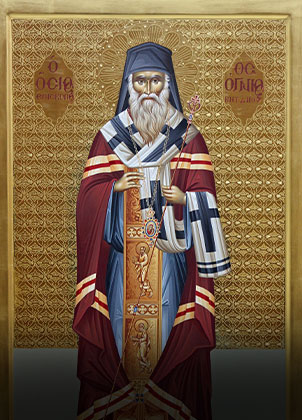
Однако есть ещё одна личность, тесно связанная с Рождеством Христовым. Это св. Иосиф, вдовец, с которым была обручена Пресвятая Дева Мария. Церковь отмечает его память сегодня, в воскресный день после Рождества.
Евангелие немного говорит о святом Иосифе. Евангелист Матфей упоминает лишь, что он был «человеком праведным». Но не будем забывать, что язык Священного Писания очень лаконичен и скуп на похвалы. То, что св. Евангелие называет Иосифа праведным — это не человеческое мнение, а божественное определение. Св. Иосиф был человеком праведным, то есть безупречным, не в глазах людей, а перед Богом, Который испытывает сердца и утробы. Может ли быть похвала выше этой?
Вот почему св. Иосиф был избран для совершенно исключительного служения — быть хранителем Младенца Христа и Его Пречистой Матери.
Нужно сказать, что обстоятельства этого служения требовали от него души твердой и непоколебимого терпения. Из Предания мы знаем, что Дева Мария, когда еще жила в Иерусалимском храме, дала обет целомудрия. Она отклонила предложение священников выйти замуж. Затем, по божественному указанию, данному первосвященнику, Дева Мария была обручена с Иосифом, своим престарелым родственником, не для того, чтобы стать его действительной женой, а для того, чтобы иметь в его лице хранителя и свидетеля ее целомудрия.
Евангелие открывает, что святой Иосиф вынес жестокую внутреннюю борьбу, узнав, что Мария, его обручница, беременна. Его сомнения развеялись после видения Ангела, который сказал ему: «Иосиф, сын Давидов, не бойся взять к себе Марию, жену твою, ибо зачатое в Ней от Святого Духа» (Матф. 1).
По Промыслу Божию св. Иосиф должен был стать мнимым отцом Бого-младенца. Но что это означало для этого праведника? Поскольку было известно, что Дева Мария была дана ему только как хранителю ее девства, для окружающих представлялось, что Иосиф совершил то, что невозможно даже произнести.
Вот как об этом говорится в одном из песнопений Рождества:
«Мария, что такое, вижу я, случилось с Тобой? Вместо чести – позор, вместо радости – скорбь, вместо похвал Ты укор мне принесла! Не могу больше выносить порицания от людей, ибо от священников из храма Господня я принял Тебя непорочной, и вот, что я вижу?»
Как смог вынести такое унижение этот старец, уважаемый за свою благочестивую жизнь?! Какие страдания он претерпел! Какой непоколебимой должна была быть его вера, чтобы вынести это испытание! Какое величие души: пренебрегать презрением и клеветой ради послушания Богу!
Поистине, св. Иосиф явился достойным своей Пречистой обручницы, Девы Марии, которая сказала Ангелу: «Се, раба Господня, да будет мне по слову твоему» (Лука 1: 38). Святой Иосиф принес в дар Новорожденному Младенцу Христу самое драгоценное, что имел этот бедный старец, — свое доброе имя.
Господь Иисус Христос претерпел насмешки и был осужден на позорную смерть на кресте. «Он был причтен к беззаконным» (Марк15:28). Он благоволил, чтобы Его Пречистая Матерь и Ее праведный обручник также были причтены к беззаконникам.
Какие удивительные, чудесные события совершались при Рождестве Христовом! И как превратно судили об этих событиях люди! Тот, кто судит других, всегда впадает в подобное заблуждение.
Сын Божий пришел на землю, чтобы призвать грешников к покаянию. Он никем не гнушался и принимал пищу с мытарями и грешниками. Но как судили о Нем фарисеи? — «Вот человек, любитель поесть и выпить, друг мытарей и грешников» (Мат. 11:19). Сын Божий стоял перед ними, а им Он представлялся любителем поесть.
Это пример того, насколько ошибочным может быть человеческое суждение. Тот, кто судит ближних, грешит не только перед Богом, но по большей части он грешит и против истины; Он лжесвидетельствует, клевещет на своего ближнего.
Если вы хотите иметь верное суждение о своем ближнем, судите о нем в духе любви и доброжелательности, и ваше суждение будет истинным. Послушаем, как учит об осуждении святой Иаков, брат Господень, память которого мы сегодня чтим вместе с его отцом Иосифом:
«Не злословьте друг друга, братия: кто злословит брата или судит брата своего, тот злословит закон и судит закон; а если ты судишь закон, то ты не исполнитель закона, но судья. Един Законодатель и Судия, могущий спасти и погубить; а ты кто, который судишь другого?» (Иак. 4:11-17).
Аминь
In the name of the Father, and of the Son, and of the Holy Spirit.
Those who follow the church calendar have likely noticed that on the second day of major feasts the Church often commemorates the saints most closely associated with the event of that feast. Thus, on the second day of the Nativity of the Most Holy Theotokos, her parents, Joachim and Anna, are venerated; on the second day of Theophany, we celebrate the memory of John the Baptist; on the second day of the Nativity of the Lord, we honour the Mother of God.
However, there is another figure closely associated with the Nativity of Christ. This is St Joseph, a widower betrothed to the Most Holy Virgin Mary. The Church celebrates his memory today, the Sunday after Nativity.
The Gospel says little about St Joseph. The Evangelist Matthew mentions only that he “was a just man” (Mat.1:19). But let us not forget that the language of the Holy Scripture is very concise and ungenerous with praise. What the Gospel says is not a human opinion, but a divine judgement. St Joseph was a “just man”, that is, blameless, not in the eyes of men, but before God, Who tries the hearts and the minds of men. Could there be greater praise than this?
That is why St Joseph was chosen for a unique and extraordinary ministry—to be the guardian of Christ Child and His Most Pure Mother.
Moreover, the circumstances demanded of him a firm soul and unwavering patience. From the tradition, we know that the Most Holy Virgin Mary, while still living in the Jerusalem Temple, took a vow of chastity. She had declined the suggestion of the priests to be given into marriage. Then, in accordance with a divine indication revealed to the High Priest, the Virgin Mary was betrothed to Joseph, her aged relative, not to become his real wife, but to have him as a guardian and witness of her chastity.
The Gospel tells us that Saint Joseph experienced a fierce internal struggle when he realized that Mary, his betrothed, was pregnant. His doubts were dispelled by a vision of an angel, who told him: “Joseph, thou son of David, fear not to take unto thee Mary thy wife: for That which is conceived in Her is of the Holy Spirit” (Mat. 1)
By Divine Providence, Saint Joseph was destined to become the supposed father of Christ Child. But what did this mean for this righteous man? Since it was known that the Virgin Mary was given to him only as the guardian of her purity, to those around him it appeared as if Joseph had done something unspeakable.
Here’s how one of the Nativity hymns expresses this:
“O Mary, what is this thing which I see accomplished in thee? Instead of honour, shame; instead of gladness, sorrow; and instead of an occasion to boast, thou hast brought disgrace upon me! No longer I endure the mockery of men. I received thee immaculate from the priests of the temple of the Lord; and what is this that I see?”
How could this elder, respected for his pious life, endure such humiliation? What suffering he endured! How unwavering his faith must have been to withstand this trial! What greatness of soul: to disregard contempt and slander for the sake of obedience to God!
Truly, Saint Joseph proved himself worthy of his Most Pure Betrothed, the Virgin Mary, who said to the Angel, “Behold the handmaid of the Lord; be it unto me according to thy word” (Luke 1:38). Saint Joseph brought as offering to the newborn Christ Child the most precious thing this poor old man possessed—his good name.
The Lord Jesus Christ endured mockery and was condemned to a shameful death on the cross. “He was numbered with the transgressors” (Mark 15:28). He deigned that His Most Pure Mother and Her righteous betrothed should also be numbered with the transgressors.
What amazing, miraculous events took place at the Nativity of Christ! And how wrongly people judged about these events! Those who judge others always fall into similar error.
The Son of God came to earth to call sinners to repentance. He didn’t reject anyone and didn’t avoid reclining at table with sinners. But how did the Pharisees view him? “Behold a glutton and a drinker of wine, a friend unto Publicans and sinners” (Mat. 11:19). The Son of God was present before them, yet to them He seemed a glutton!
This is a good example of how fallible human judgment can be. Those who judge, not only commit a sin before God, but, in most cases, they sin against the truth; they bear false witness and slander their neighbour.
If you want to have a true opinion about your neighbour, judge about him with love and goodwill, and your judgment will be true.
Let us listen to the teaching of St James, the brother of the Lord, whose memory we honour today together with his father, Joseph: “Do not speak evil of one another, brethren. He who speaks evil of a brother and judges his brother, speaks evil of the law and judges the law. But if you judge the law, you are not a doer of the law but a judge. There is one Lawgiver, who is able to save and to destroy. Who are you to judge another?” (James 4:11-12)
Amen